| Good news! The U.S. Senate Committee on Agriculture, Nutrition, and Forestry voted unanimously to pass the Shenandoah Mountain Act through the Committee this morning. This is an important step in the legislative process that brings us a step closer to enactment. We appreciate the Committee's bipartisan support for this bill. We are grateful to Senators Kaine and Warner for introducing the Shenandoah Mountain Act. Today, they are applauding its passage through the Committee. Read their joint press release: www.kaine.senate.gov/press-releases/warner-and-kaine-applaud-unanimous-committee-passage-of-virginia-wilderness-bills |
|
0 Comments
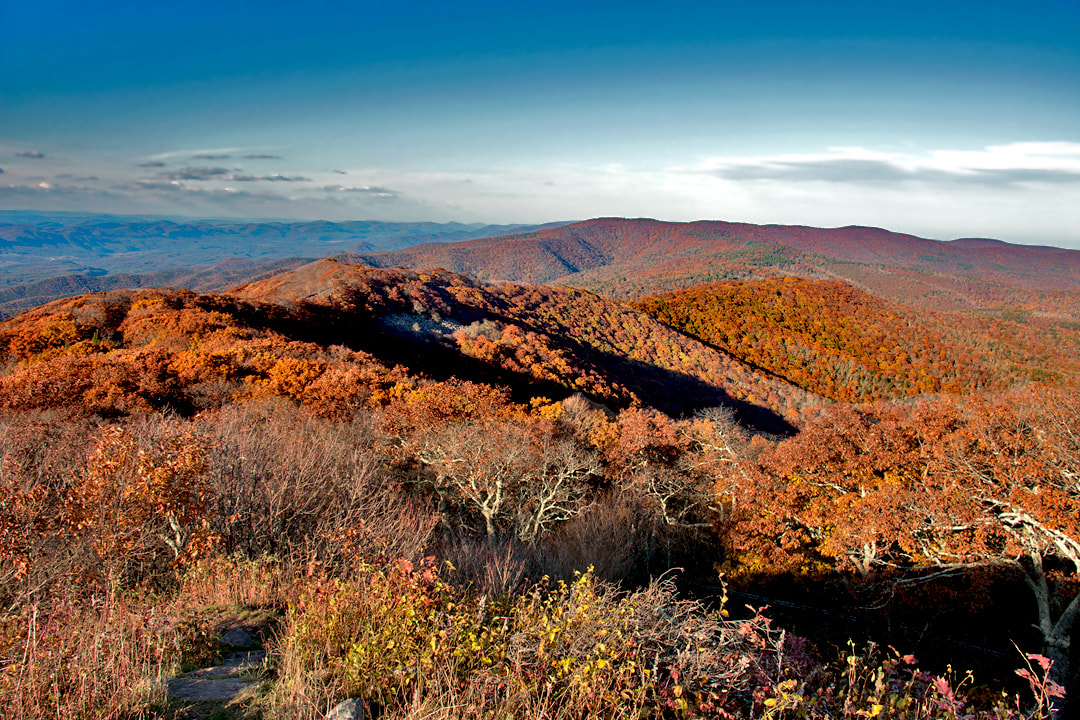
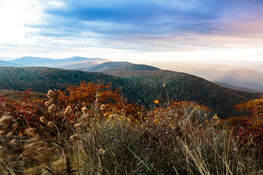
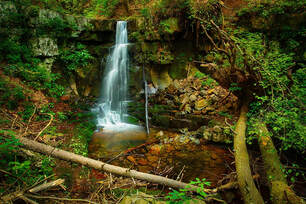
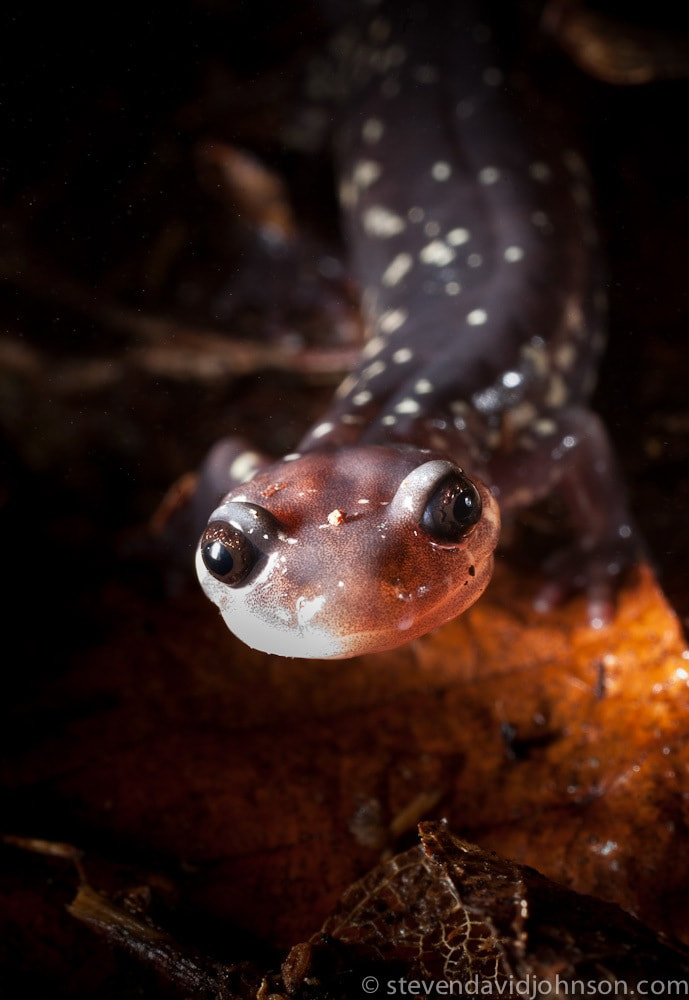
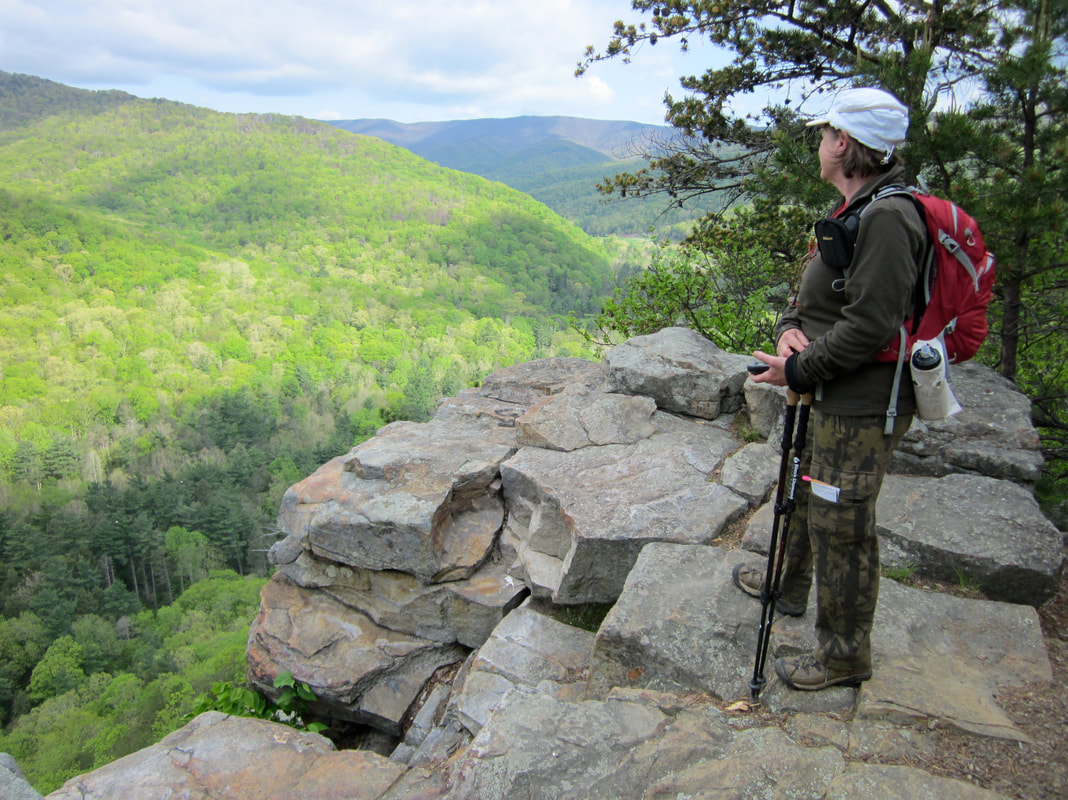
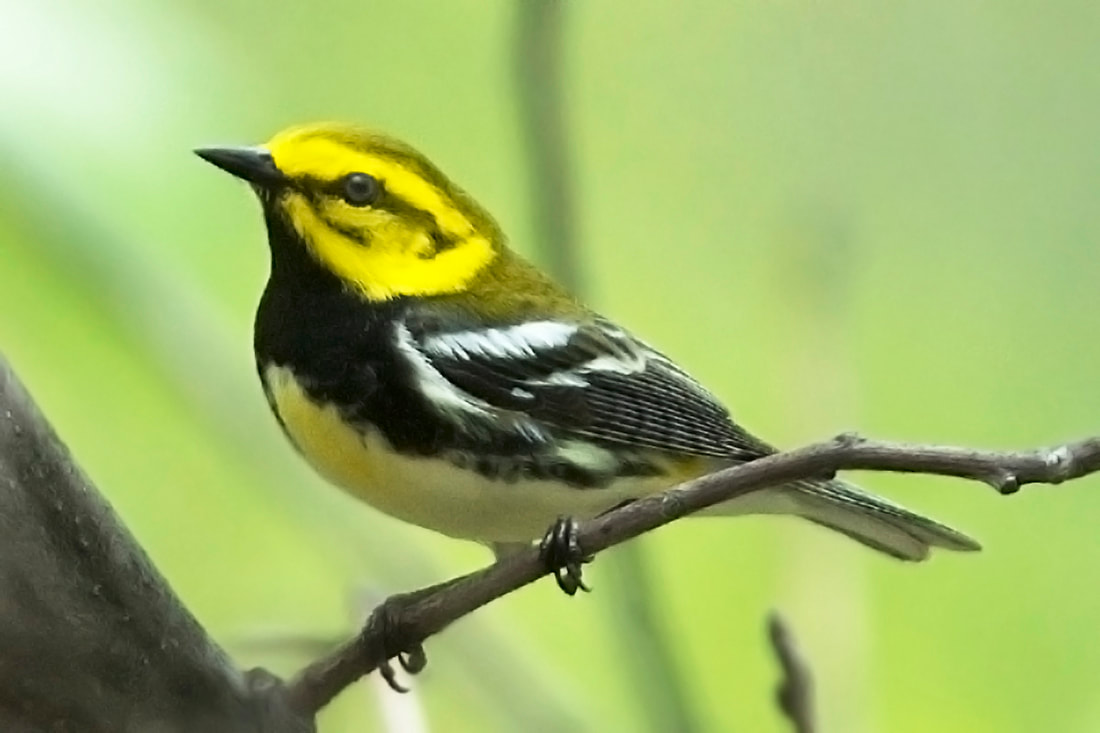
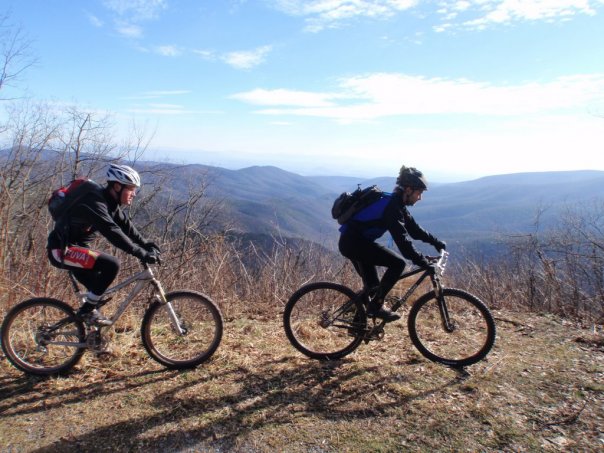
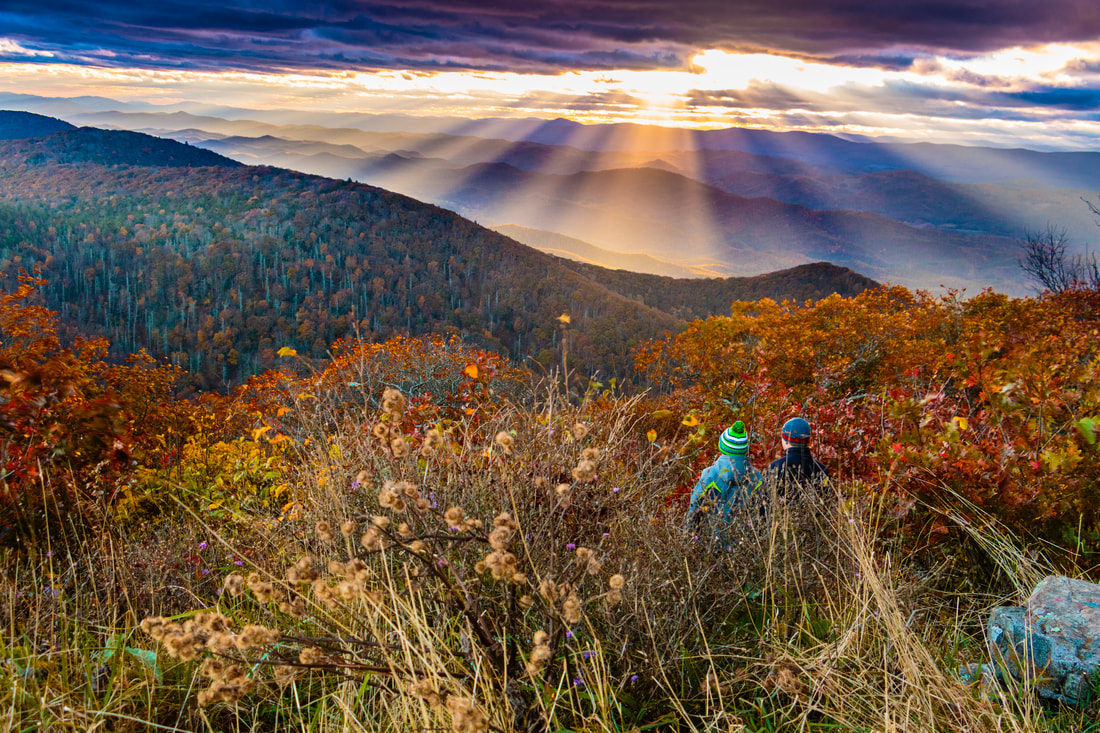
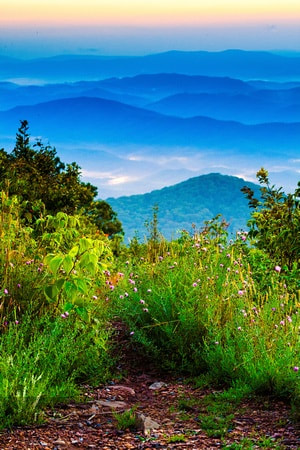
View from Reddish Knob, the highest point on Shenandoah Mountain. Photo © Brad Striebig Today Virginia's U.S. Senators Tim Kaine and Mark Warner introduced the Shenandoah Mountain Act of 2025, which would designate more than 92,500 acres of the George Washington National Forest as the Shenandoah Mountain National Scenic Area (SMNSA). See their Press Release here. This legislation would preserve the majestic forests, spectacular vistas, and more than 150 miles of trails on the western edge of the Shenandoah Valley. The SMNSA designation would allow forest visitors, such as hikers, hunters, bicyclists, fishermen, and equestrians, to continue to enjoy this beautiful area, just as they do today, while prohibiting commercial logging and industrial development, like gas drillng and pipeline construction. Shenandoah Mountain, a vast area of undeveloped forest land, is home to black bear, 250 species of birds, and rare salamanders found nowhere else on earth, as well as a rich diversity of trees and wildflowers. With 10 peaks over 4,000', it is one of the highest areas in Virginia. Its cascading mountain streams provide clean drinking water for Harrisonburg and Staunton and for Rockingham and Augusta counties. Shenandoah Mountain is aj popular outdoor recreation destination that supports the local tourism economy. Painted trillium. Photo by Lynn Cameron This Shenandoah Mountain proposal has been endorsed by over 400 local businesses, organizations, and faith groups who recognize its many benefits. Local governments for Rockingham and Augusta Counties, as well as Staunton and Harrisonburg, have passed resolutions of support for the proposal. The Shenandoah Mountain National Scenic Area would include four Wilderness Areas, totaling around 28,000 acres of new Wilderness, which would have the highest level of protection public lands can receive. Friends of Shenandoah Mountain greatly appreciates that our Senators have reintroduced the Shenandoah Mountain Act, and we will continue to work toward passage of the bill by Congress and being signed into law by the President. Please let Senator Kaine and Senator Warner know you appreciate their reintroducing the Shenandoah Mountain Act and ask them to keep fighting for its enactment by Congress! On April 26, Friends of Shenandoah Mountain and five other groups will join forces to protect the Hone Quarry Day Use Area, one of Shenandoah Mountain's premier wildflower sites, from begin overtaken by garlic mustard. This invasive plant crowds out native spring wildflowers and poisons the soil. Last April, we pulled all the garlic mustard we could find. We expect to find much less this year. Participants will gather at 10:00 a.m., pull garlic mustard in the Hone Quarry area, view native wild flowers, and then gather at the picnic shelter to share experiences and eat our packed lunches. Learn more and register. View to the west from Reddish Knob, the highest point in the Shenandoah Mountain National Scenic Area. Photo © Brad Striebig Good news! The Shenandoah Mountain National Scenic Area (SMNSA) is included in the draft of the bipartisan 2024 Farm Bill that was just released by the Senate Agriculture Committee this week. The SMNSA legislation will permanently protect 92,000 acres of the Shenandoah Mountain area in the George Washington & Jefferson National Forest through a combination of National Scenic Area and Wilderness designation. This designation will safeguard water quality and wildlife habitat, as well as opportunities for a range of outdoor recreation activities. Commercial activities, like mining and fracking, will be prohibited. This is a big milestone for our decades-long campaign to gain legislative protection for one of the most outstanding natural areas in Virginia. Many thanks to Senators Kaine and Warner for introducing the bill in 2022 and again in 2023 and for working hard to find a way to get it passed. And a very special thanks to the hundreds of organizations, businesses, faith groups, city and county governments, and individuals who have supported this effort. We would never have gotten this far without your support. Learn more details in the Southern Environmental Law Center Press Release: www.southernenvironment.org/press-release/selc-applauds-inclusion-of-public-lands-designations-in-farm-bill-framework/ On April 13, Friends of Shenandoah Mountain and five other groups will join forces to protect the Hone Quarry Day Use Area, one of Shenandoah Mountain's premier wildflower sites, from begin overtaken by garlic mustard. This invasive plant crowds out native spring wildflowers and poisons the soil. Participants will pull garlic mustard in the Hone Quarry area and then sample garlic mustard pesto, made by a local Master Naturalist. Learn more and register. Photo taken from Reddish Knob by Danny Kean Excellent in depth article about the Shenandoah Mountain National Scenic in Cardinal News, Oct 30, 2023 "A black bear and a Reddish Knob: Adventures in the proposed Shenandoah Mountain National Scenic Area" by Kevin Myatt Come and learn more about the biodiversity of Shenandoah Mountain. Master Naturalist John Holden will be leading a wildflower and butterfly hike at Braley Pond on Sept. 16. This will be a 3-mile hike that passes through a variety of habitats. It will start and end at Braley Pond Picnic Area. See details and register. Press Release from the Southern Environmental Law Center, Friends of Shenandoah Mountain, and Virginia Wilderness Committee For Immediate Release: July 27, 2023 Contacts: Eric Hilt, Southern Environmental Law Center, 615-622-1199 or [email protected] Lynn Cameron, Friends of Shenandoah Mountain, 540-234-6273 or [email protected] WASHINGTON D.C. — On Thursday, Senator Tim Kaine (D-VA) and Senator Mark Warner (D-VA) introduced the Shenandoah Mountain Act of 2023, which would designate more than 92,000 acres of the George Washington National Forest as the Shenandoah Mountain National Scenic Area. Like last year’s version, the bill, if enacted, would preserve the majestic forests, spectacular vistas, and more than 150 miles of trails on the western edge of the Shenandoah Valley. The new designation would allow forest visitors to continue enjoying these incredible lands – which are separate from and to the west of Shenandoah National Park [EH1] – as they do today, while prohibiting logging and industrial development like gas drilling and pipeline construction. “National Scenic Areas strike a great balance between recreation and preservation,” Friends of Shenandoah Mountain Co-Chair Lynn Cameron said. “This unique designation ensures that hunters, hikers, anglers, mountain bikers, and many others will be able to continue to enjoy the exceptional landscapes for generations to come.” “The Shenandoah Mountain area is one of the largest stretches of undeveloped land east of the Mississippi River, and boasts some of the most spectacular, uninterrupted views in the Southern Appalachians,” Southern Environmental Law Center Senior Attorney Kristin Davis said. “Designating this as a National Scenic Area will protect these incredible public lands and all they have to offer.” The proposal is the product of two decades of work and has broad public support from more than 400 local businesses, organizations, and faith groups who recognize the immense benefits the new designation will have on nearby communities. Rockingham and Augusta Counties, as well as the nearby cities of Staunton and Harrisonburg, have also endorsed the proposal. The U.S. Forest Service has recommended the designation of a national scenic and wilderness areas on Shenandoah Mountain. “This bill is the product of 20 years of collaborative work from an incredibly diverse group of local conservationists, recreation groups, timber industry representatives, hunters, and anglers. Over that time, people with different outlooks on forest management came together and agreed that this exceptional place deserves the permanent protection that a National Scenic Area will provide,” Friends of Shenandoah Mountain Co-Chair Thomas Jenkins said. The Virginia Tourism Corporation estimates people visiting counties near Shenandoah Mountain spend more than $720 million a year and that the tourism industry employs more than 6,500 people. The Shenandoah Mountain National Scenic Area will attract even more visitors and provide a boost to the region’s growing tourism industry. The designation will also protect important drinking water sources for people living in Harrisonburg, Staunton, and many other communities downstream. The Shenandoah Mountain National Scenic Area would also include four Wilderness Areas, totaling around 28,000 acres of new Wilderness, which would have the highest level of protection public lands can receive. Wilderness Areas are popular among people in the South, and a recent study showed 88 percent of Southerners surveyed said they support more Wilderness designations. “Wilderness Areas are some of the nation’s least developed lands and offer a one-of-a-kind experience to visitors looking for solitude. These protections are becoming increasingly important as more and more areas – especially in the Eastern U.S. – are being rapidly developed, leaving fewer pristine and untouched landscapes,” Mark Miller, Executive Director of the Virginia Wilderness Committee, said. Important natural resources would also be protected by Shenandoah Mountain National Scenic Area, which lies within a biodiversity hotspot. The area is home to black bear, wild turkey, more than 250 species of birds, and many other species, including rare or endangered species that only live in the Shenandoah Mountain area. Creating this designation would help preserve these habitats, allowing visitors to continue to enjoy the plants and animals that make this area unique. The introduction of the Shenandoah Mountain Act of 2023 in the United States Senate is just the first step in establishing these much-needed protections for this extraordinary area. In order to permanently protect Shenandoah Mountain, Congress must pass this important bill, and send it to the President for his signature. Wilderness and National Scenic Area FAQs Some of our most spectacular federal lands are designated as National Scenic Areas and Wilderness areas. While there are some key differences between them, there are many similarities:

Wilderness is the highest level of protection available for public land. Wilderness areas are some of the nation’s most remote and least developed places. They have a natural character, and the imprint of any prior land uses is substantially unnoticeable.
FOR IMMEDIATE RELEASE: July 27, 2023
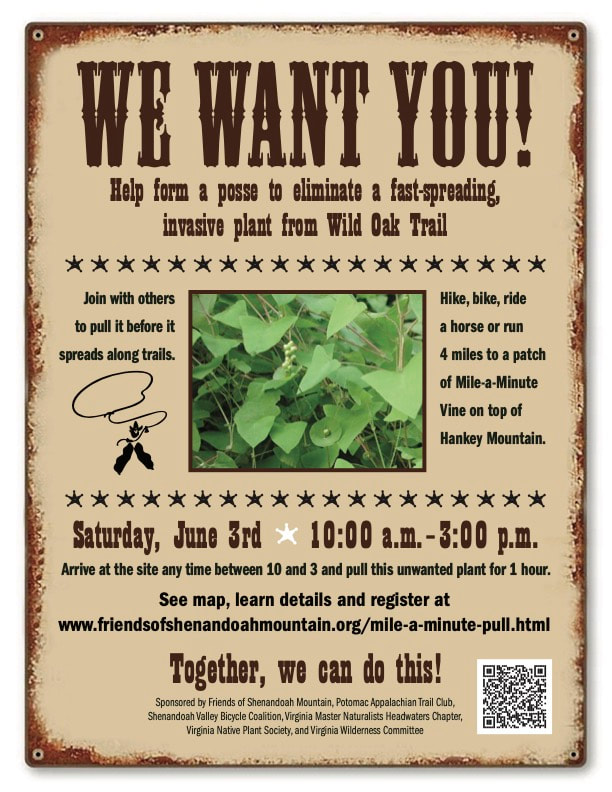
CONTACT: Valeria Rivadeneira (Warner), 202-228-6884, Janine Kritschgau (Kaine), 202-365-2176 KAINE & WARNER REINTRODUCE LEGISLATION TO FORM NATIONAL SCENIC AREA IN ROCKINGHAM, AUGUSTA, AND HIGHLAND COUNTIES Bill would boost local economies, protect drinking water sources, and preserve endangered wildlife WASHINGTON, D.C. – Today, U.S. Senator Tim Kaine led the introduction of the Shenandoah Mountain Act, legislation to establish a 92,562-acre Shenandoah Mountain National Scenic Area (SMNSA) in Rockingham, Augusta, and Highland counties. He was joined in introducing the legislation by Senator Mark R. Warner. National Scenic Areas are established by Congress to protect the scenic, historic, recreational and natural resources in specific areas, while allowing compatible uses such as outdoor recreation activities. “The Shenandoah Mountain area is home to critical watersheds, flourishing wildlife, and some of our Commonwealth’s most beautiful landscapes. Last year, I was so excited to hike Ramsey’s Draft to see the beauty of the area first hand,” said Kaine. “Creating a National Scenic Area would help protect the Mountain and the George Washington National Forest, spur economic growth in the Valley, and help ensure Virginians and visitors can enjoy the region for generations to come.” “The Shenandoah Mountain area provides so much for the Valley – a thriving tourism attraction, an essential source of drinking water, and a beloved locale for idyllic hiking and fishing,” said Warner. “I’m fighting to establish a Shenandoah Mountain National Scenic Area to protect the region for the many families, businesses, and species that rely on it.” The SMNSA encompasses four Wilderness areas: Skidmore Fork, Little River, Ramsey’s Draft, and Lynn Hollow, which in sum include 10 peaks above 4,000 feet and 150 miles of trails to attract campers, hikers, mountain bikers, fishermen, birders, and equestrians. The legislation also establishes a 5,779-acre wilderness area at Beech Lick Knob, located 10 miles north of the SMNSA. In addition to providing world class trails, the area includes headwaters for the Potomac and James Rivers and watersheds that provide municipal drinking water sources for Harrisonburg, Staunton, and communities farther downstream. Cold mountain streams in the area are also a stronghold for native brook trout. Today’s legislation would permanently protect those rivers and streams from industrial development, and also help safeguard populations of at-risk species, such as the Cow Knob and Shenandoah Mountain Salamander, that are natural to the area. In 2021, the tourism economy directly employed 6,543 people and generated $728.5 million in expenditures in Augusta, Rockingham, Bath, and Highland Counties, as well as Harrisonburg, Staunton, and Waynesboro. In addition to the direct benefits to tourism and other businesses, JMU scientists estimate that lands within the SMNSA proposal already generate $13.7 million per year in other local benefits, including the value of the water supply and energy savings. Designation of the SMNSA would further grow this value. In May 2022, Senator Kaine hiked the Shenandoah Mountain trail to learn more about the scenic area and the need to protect it. A high-quality photo of Senator Warner visiting the Shenandoah Mountain area is available here. In addition to Staunton, Augusta, Rockingham, and Harrisonburg local governments, over 400 businesses and organizations have endorsed the designation. A full list of supporters is available here. Full text of the legislation is available here. Last fall, hikers discovered a patch of Mile-a-Minute Vine at the southeastern edge of the proposed Shenandoah Mountain National Scenic Area (SMNSA). Located along Hankey Mountain portion of Wild Oak Trail, this is the first known occurrence of this fast-spreading invasive plant in or near the SMNSA. It can completely cover and overwhelm native plant communities and kill trees. Some call it the Kudzu of the north. In order to protect native plant communities and wildlife habitat on Shenandoah Mountain from the harmful effects of Mile-a-Minute, trail user groups and naturalists are uniting on June 3 to eliminate this patch of Mile-a-Minute Vine before it spreads. Learn more, and register to help wipe out this harmful invasive. |


RSS Feed